Crops
Sourced from West African farms. Verified quality. Export ready.
tiger nut
Tiger nuts are not nuts, but small nutrient-rich tubers native to West Africa and cultivated for over 6,000 years. Naturally sweet and versatile, they are ideal for plant-based milk, flour, snacks, and functional foods.
From Field to Table
Carefully harvested, air-dried, washed, and graded for premium quality.
Sustainably Sourced
We partner directly with smallholder farmers, supporting fair pricing, organic practices, and community reinvestment.
Varieties
- Yellow tiger nuts: larger, sweeter, preferred for commercial production
- Bellow tiger nuts: smaller, denser, higher nutrient content
- Available forms: e.g. whole grain, flour, graded
- Origin regions: e.g. Ghana, Togo, Sierra Leone
- Certifications available: e.g. organic, fair trade — list what you actually have
millet
Millet is an ancient African grain packed with B vitamins, iron, magnesium, and fiber. It delivers slow-release energy and is perfect for porridges, baked goods, and everyday meals.
Why It Is Better
- Higher iron and magnesium than quinoa
- Slow-digesting complex carbohydrates
- Uses significantly less water to grow
- Available forms: e.g. whole grain, flour, graded
- Origin regions: e.g. Ghana, Togo, Sierra Leone
- Certifications available: e.g. organic, fair trade — list what you actually have
African rice
African rice is traditionally grown across Guinea, Sierra Leone, Togo, and northern Ghana. It contains high levels of B vitamins, iron, magnesium, and fiber with seven to eight percent protein.
Why It Is Better
- More fiber and micronutrients than conventional white rice
- Thrives in challenging growing conditions
- Available forms: e.g. whole grain, flour, graded
- Origin regions: e.g. Ghana, Togo, Sierra Leone
- Certifications available: e.g. organic, fair trade — list what you actually have
fonio
Fonio is a tiny ancient West African grain rich in B vitamins, calcium, iron, and magnesium. It delivers six to eight percent protein and lasting energy.
Why It Is Better
- Fast growing with minimal water
- Higher mineral content than common grains
- Available forms: e.g. whole grain, flour, graded
- Origin regions: e.g. Ghana, Togo, Sierra Leone
- Certifications available: e.g. organic, fair trade — list what you actually have
why native grains matter
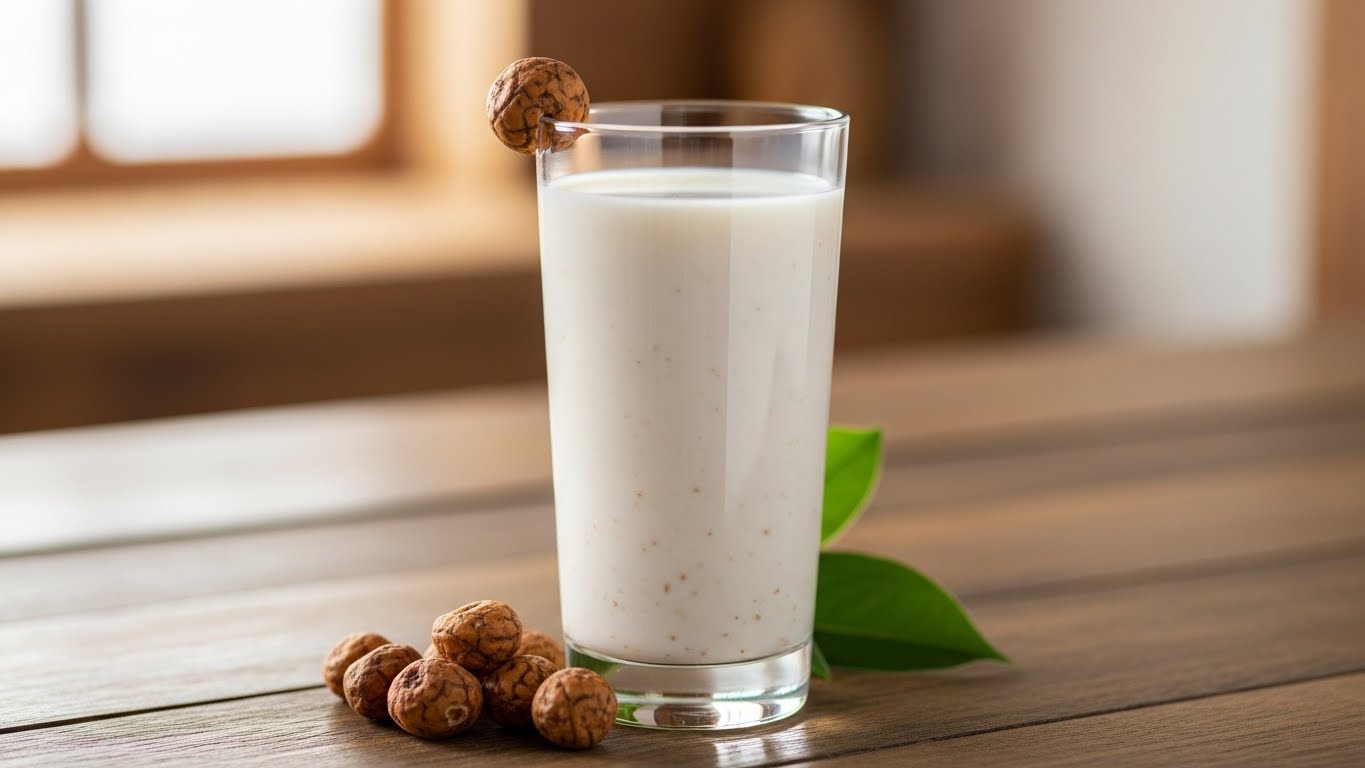
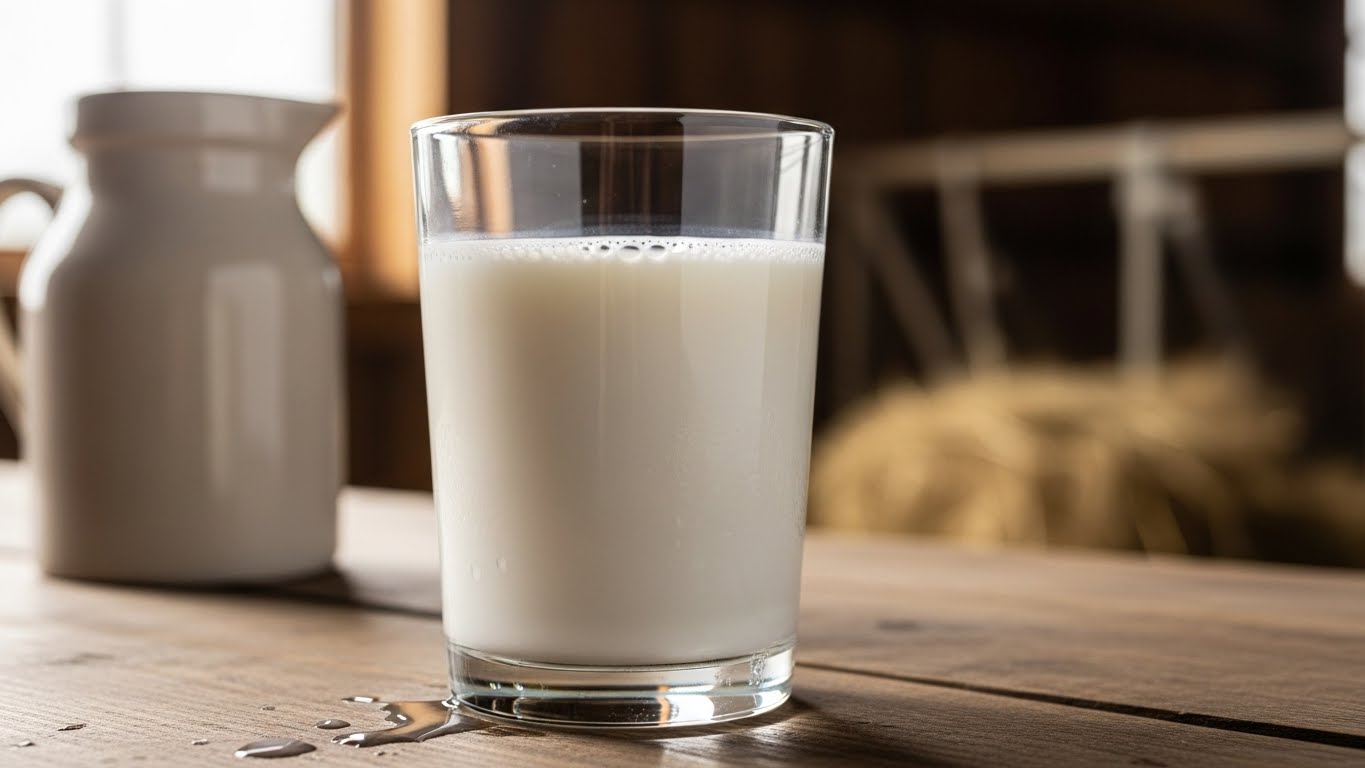
Tiger Nut Milk vs Cow Milk
- Uses 55 percent less water
- Produces 87 percent lower emissions
- Naturally gluten and dairy free
- Empowers women farmers
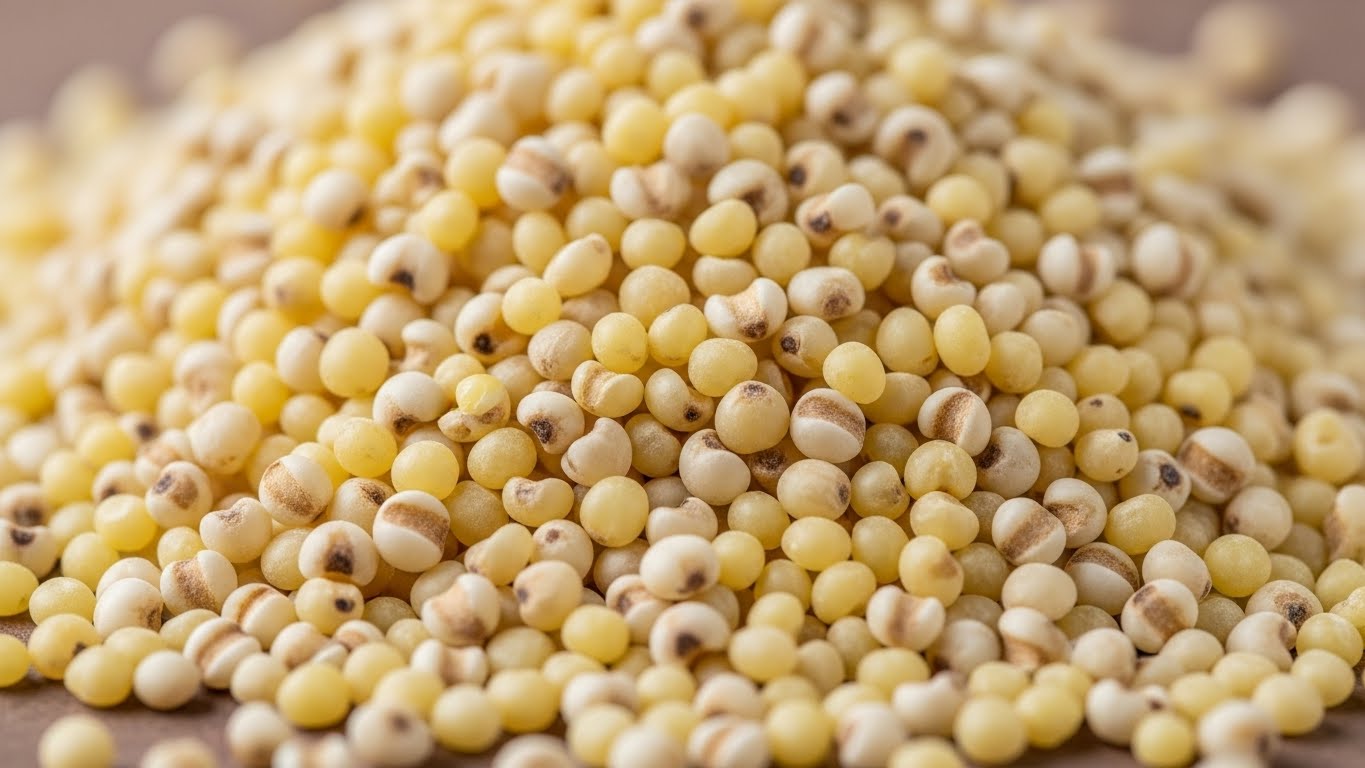
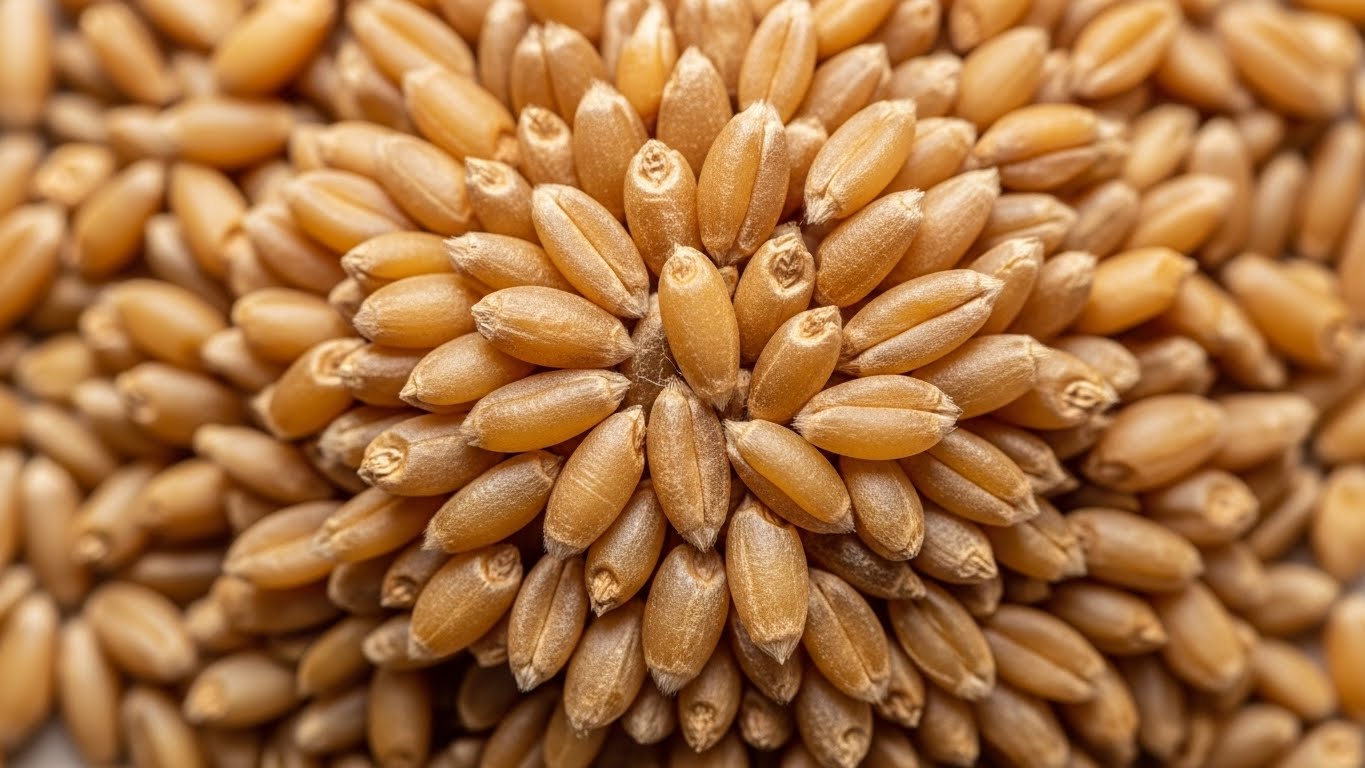
Millet vs Wheat
- Uses 78 percent less water
- Produces 64 percent lower emissions
- Gluten-free and drought proof
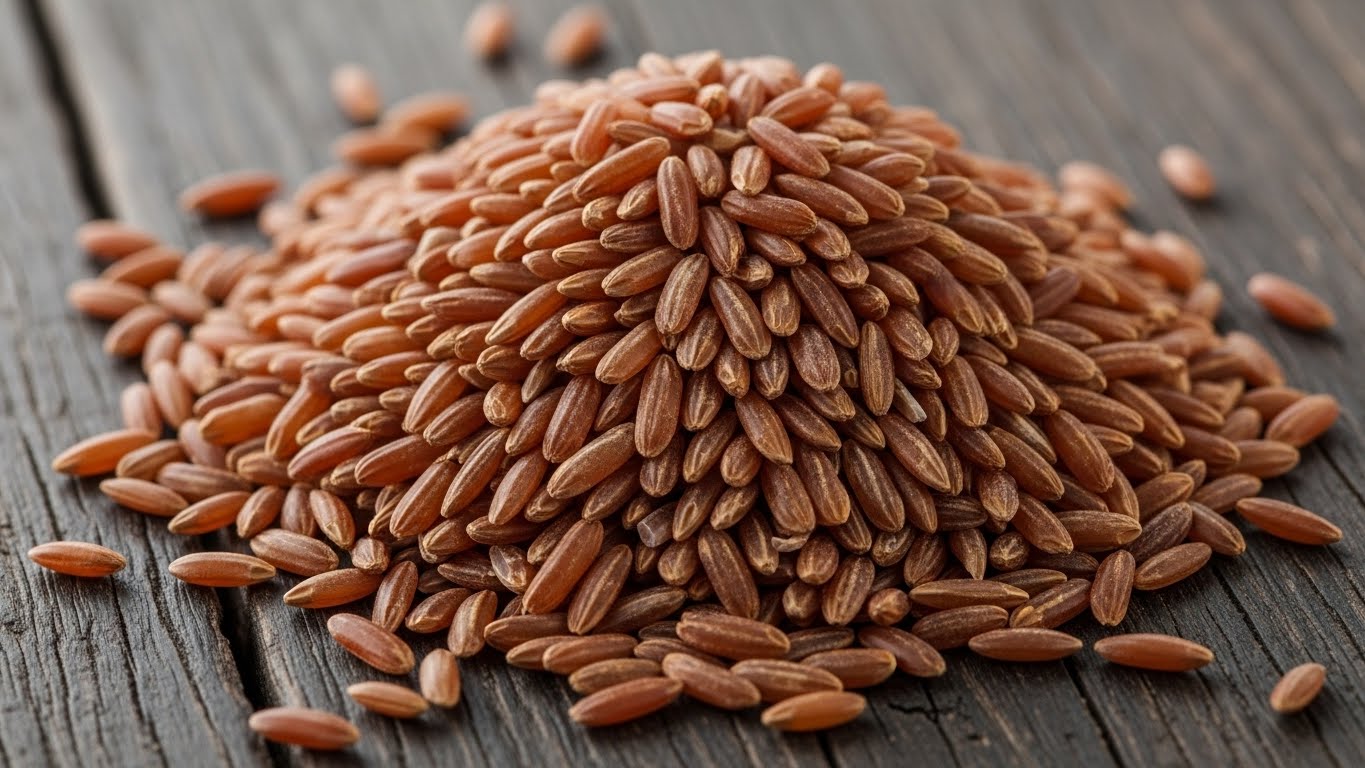
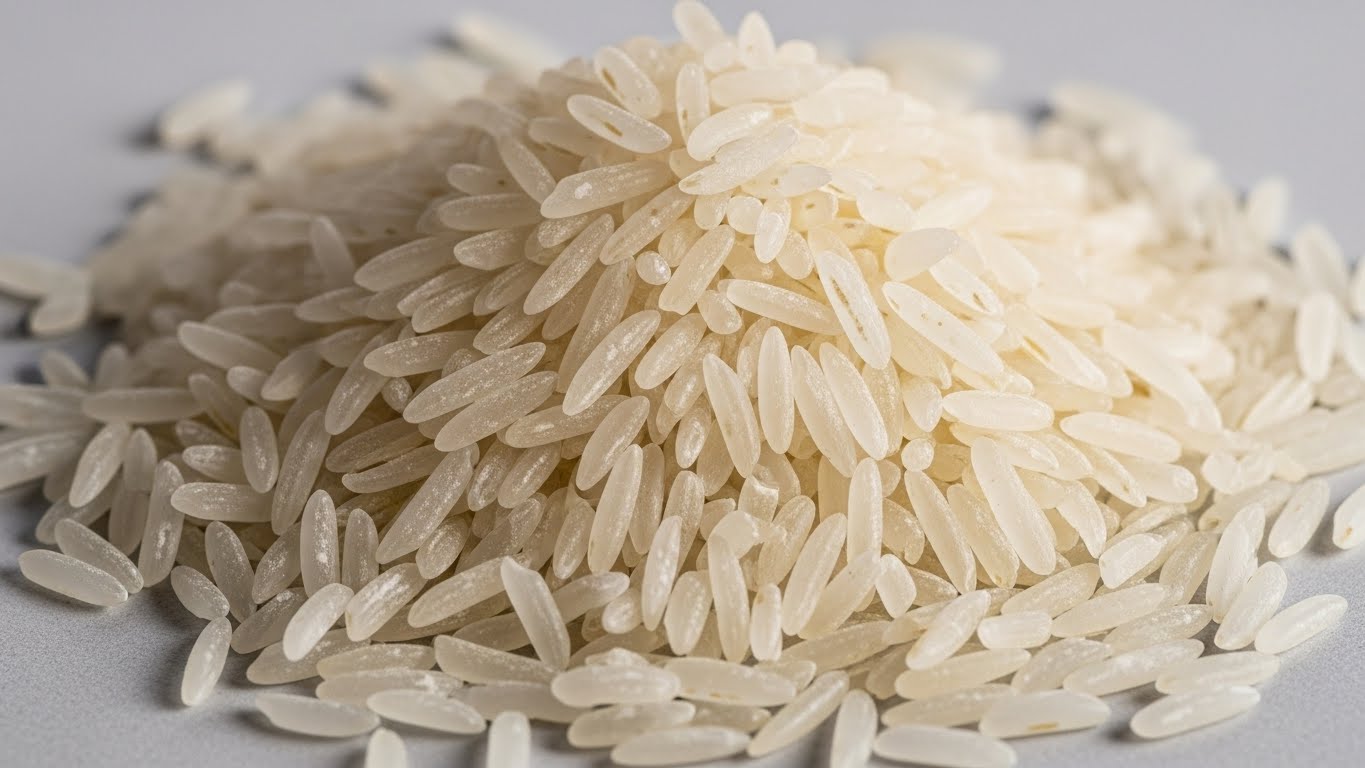
African Rice vs Conventional Rice
- Uses 72 percent less water
- Produces 72 percent less methane
- Heritage crop with high resilience